When you look at a volcano, you’re seeing the tip of a vastly more complicated system. The mountain itself is just the exit point for processes that have been happening deep underground, perhaps for millions of years. Magma doesn’t simply appear at the surface ready to erupt it rises, stalls, cools, changes, and evolves in underground chambers before finally breaking through.
We’ve known this about Earth’s volcanoes for a long time, but it turns out Mars has been playing the same game. New research published in the journal Geology shows that some of the Red Planet’s youngest volcanic systems had far more intricate histories than anyone realised. An international team of scientists studied a volcanic system south of Pavonis Mons, one of Mars’ giant shield volcanoes in the Tharsis region. Using high resolution images and mineral data from orbiting spacecraft, they essentially performed detective work from space, piecing together clues left behind in the rocks.

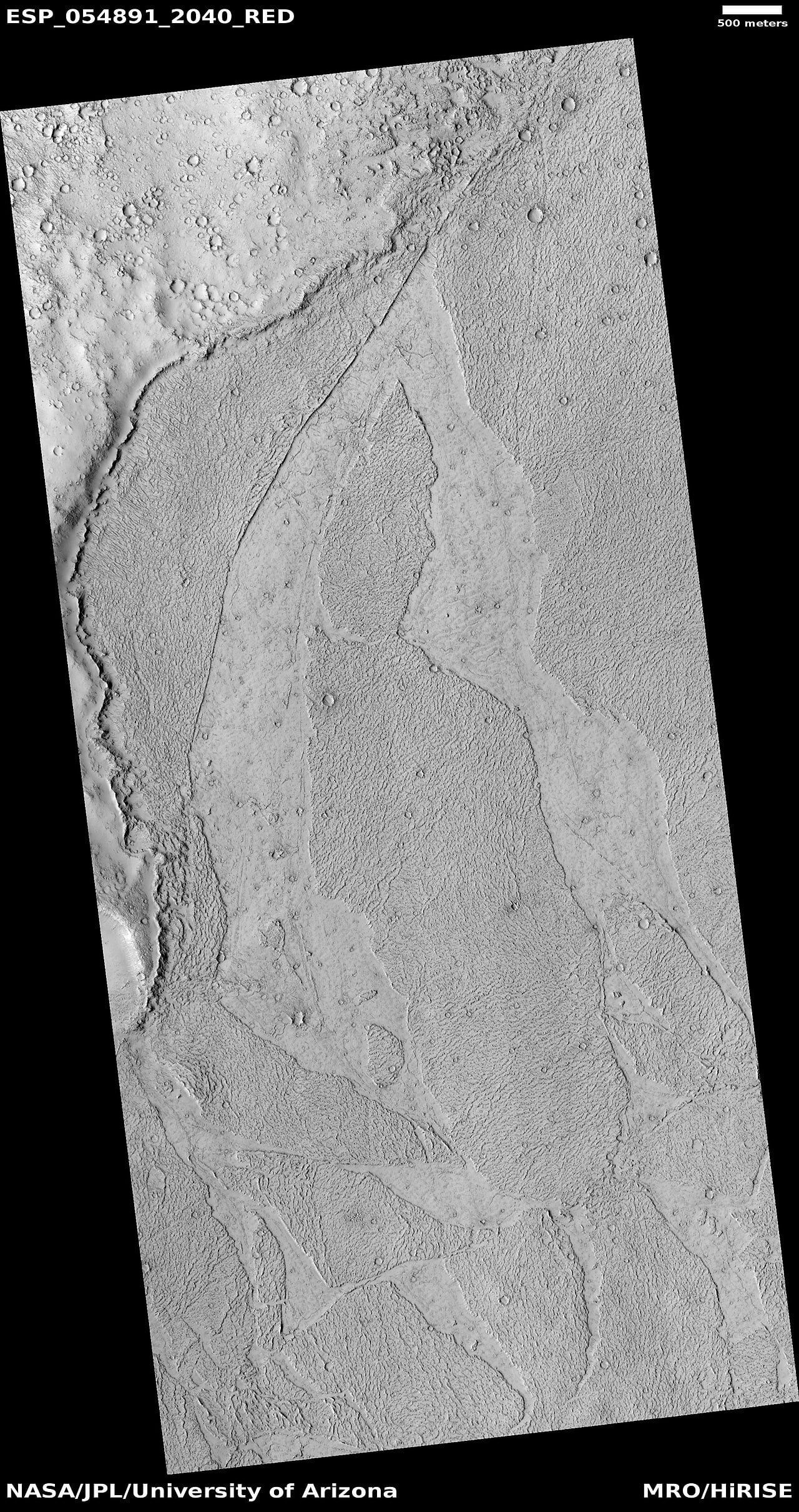
What they discovered was fascinating. Rather than forming in a single, straightforward eruption, this volcanic system went through multiple distinct phases. Early on, lava poured out through long cracks in the ground, what geologists call fissure eruptions. Later, the style changed completely, with lava erupting from concentrated point sources that built up cone shaped vents.
Here’s the clever bit: although these different lava flows look quite different on the surface, they all came from the same underground plumbing system. Think of it like a house with several taps (and I should know as recently done a load of plumbing in my house, mostly successful!) the water comes from the same pipes, but it emerges in different places and different ways.
The real revelation came from analysing the minerals in each lava flow. Each eruption left behind a distinct mineral fingerprint, and these signatures tell us that the magma itself was evolving over time. The magma was probably coming from different depths, or spending varying amounts of time stored underground before erupting.
This matters because we can’t exactly pop over to Mars and chip off a rock sample. Everything we know about the planet’s interior has to come from studying what’s visible on the surface. These volcanic systems are like windows into Mars’ deep interior, revealing processes happening kilometres below ground.
This all suggests that even during Mars’ most recent volcanic period, the planet’s subsurface remained geologically active and complex. The volcano didn’t just erupt once and fall silent, it evolved as conditions beneath the surface shifted and changed. It’s a reminder that Mars, though smaller and colder than Earth, has led a rich geological life. The planet’s volcanic history isn’t a simple story of early activity followed by steady decline. Instead, it’s a tale of ongoing processes, of magma systems that remained dynamic for millions of years, shaping the surface we see today.
Source : Mars' 'young' volcanoes prove more complex than scientists once thought