The Sun is trying to tell us something. In the first four days of February this year, it unleashed six powerful X-class solar flares in rapid succession including one classified X8.1, the strongest in several years. For most of us, that meant some disrupted radio signals, some spectacular aurora displays, and a reminder that our nearest star is not the steady, reliable lamp we sometimes take for granted. For solar physicists, it was confirmation that we are deep inside one of the most dangerous periods the Sun has produced in a generation.
Solar flares come in several classes. The most powerful, the super flares or S-class events are those classified above X10. A direct hit from one of these on a populated part of Earth could cause widespread power outages, disable satellites, knock out GPS navigation, and expose airline passengers at high latitudes to significant radiation. They are rare but they are real, and until recently there was almost no way to predict them more than a few hours in advance.
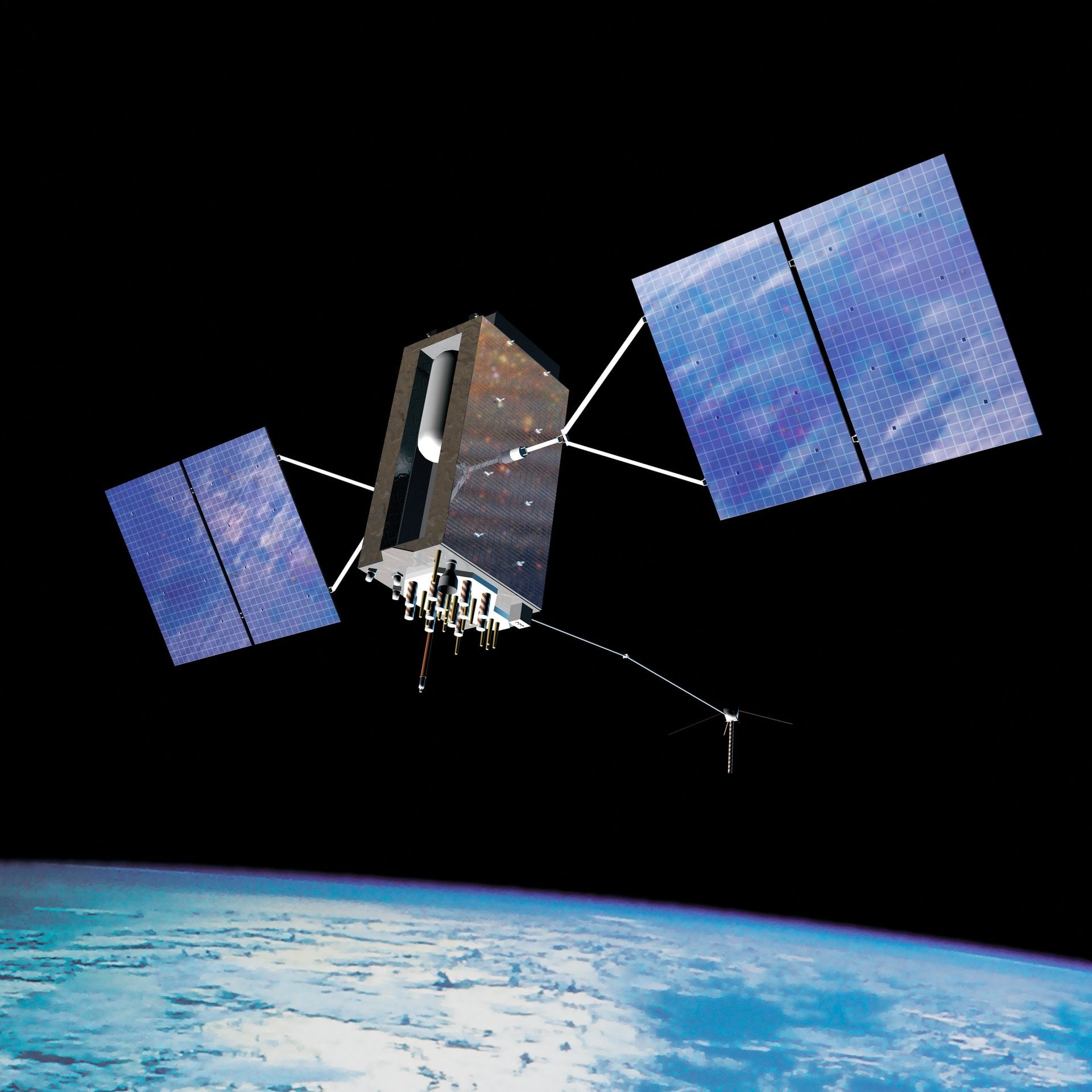
That has now changed thanks to a multinational team led by Victor Velasco Herrera of the National Autonomous University of Mexico that has developed the first forecasting system capable of identifying windows of elevated super flare risk months to a year ahead of time. They can even pinpoint which regions of the Sun are most likely to be the source. The research, published in the Journal of Geophysical Research: Space Physics, is built on fifty years of X-ray observations collected by the Geostationary Operational Environmental Satellites (GOES) between 1975 and 2025.
Trawling through that half century of data, the team discovered two previously unknown rhythmic cycles buried within the Sun's behaviour, one repeating every 1.7 years, another every seven years. Both are tied to the way magnetic energy builds up in specific zones on the solar surface. When the two cycles align in certain configurations, the likelihood of a super flare climbs sharply. Using these patterns alongside machine learning techniques, the team can now forecast not just when the danger is elevated, but where on the Sun it is most concentrated.
For the current Solar Cycle 25, the model identifies two peak danger windows with the first running from mid 2025 through mid 2026, focused on the Sun's southern hemisphere. The second in early to mid 2027, centred further north. We are, in other words, right in the middle of the most hazardous period right now.
"NASA is right to postpone the Artemis II mission to the Moon until March, but given how active the Sun is right now, our forecasts suggest that delaying the launch until the end of 2026 may be a much safer decision.” Velasco Herrera from the National Autonomous University of Mexico.
But the most remarkable part of this story is what happened during the peer review process itself. After the team submitted their paper for publication, other scientists working with data from the European Space Agency's Solar Orbiter spacecraft announced the discovery of a series of massive super flares that had erupted on the far side of the Sun, the hemisphere permanently hidden from Earth, and they happened in May 2024. The events included an X11.1, an X9.5, an X9.7, and a colossal X16.5, all of which had gone undetected at the time because they occurred where no Earth based instrument could see them. When the forecasting team compared those hidden eruptions against their model, they found a near perfect match.
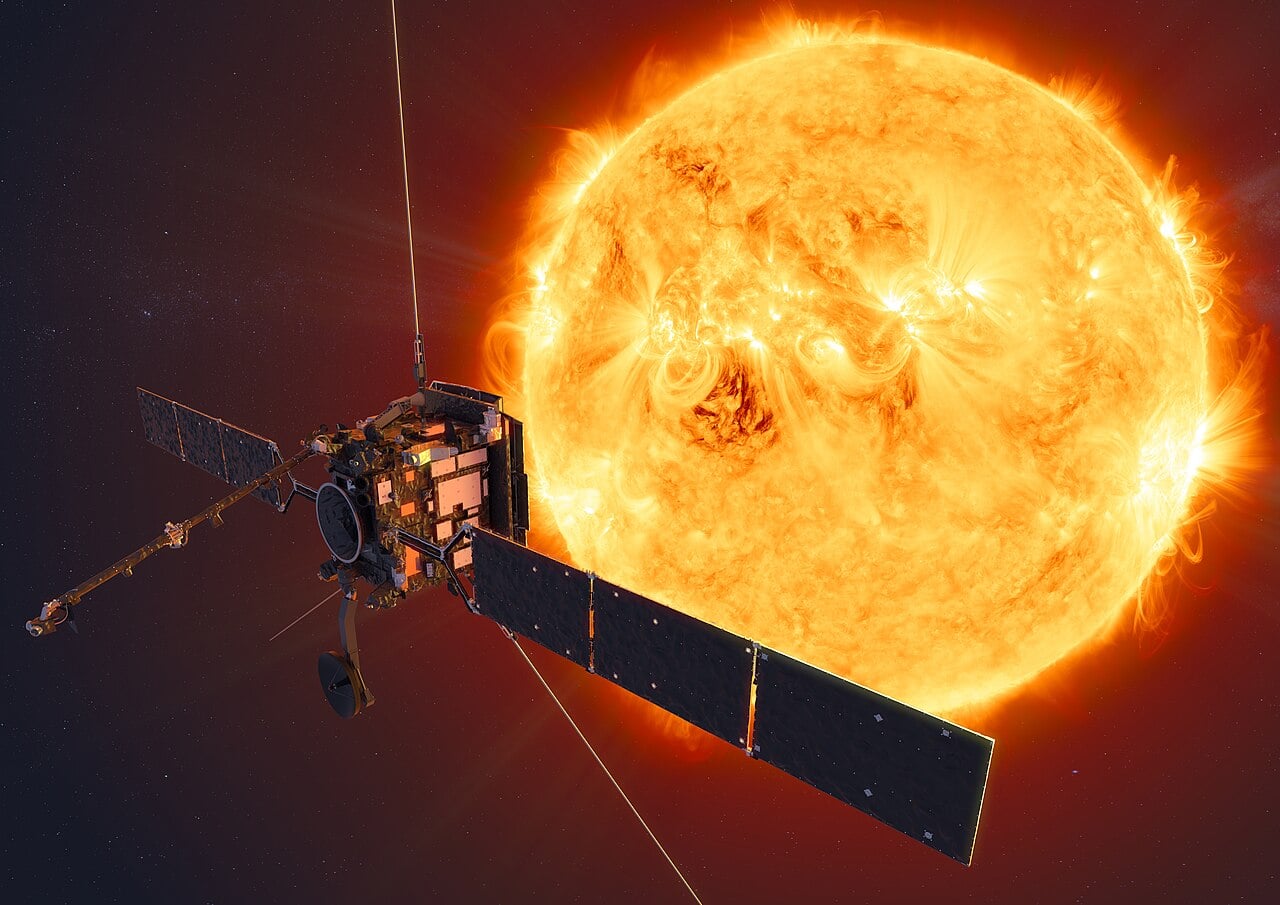
It was described by the scientists as pure luck, but also deeply revealing. The forecast had been created without any knowledge of the far side super flares, yet when those storms were discovered during the paper's review process, they aligned perfectly with the predicted patterns, demonstrating that the physics-based approach works across the entire Sun, not just the hemisphere facing Earth.
With months of advance warning, satellite operators can adjust orbits, power grid managers can prepare protective systems, and space agencies can plan missions around the calendar of solar danger rather than simply hoping for the best. The Sun has been running on its own schedule for four and a half billion years. We are only just beginning to learn how to read it.
Source : Surprise solar eruptions on sun's far side validate new forecasting method