Update Jan. 18, 3:12 p.m. EST (2012 UTC): SpaceX pushed back the T-0 liftoff time.
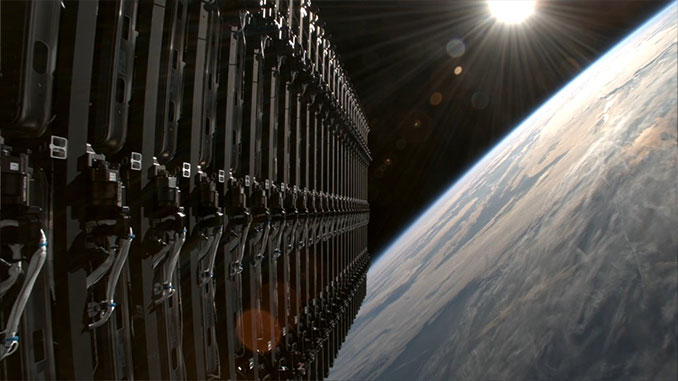
SpaceX will continue the expansion of its Starlink internet network with the launch of 29 new satellites Sunday, weather permitting.
Liftoff from pad 40 at Cape Canaveral Space Force Station in Florida is scheduled for 6:31:40 p.m. EST (2331:40 UTC). Spaceflight Now will have live coverage from the Cape starting one hour prior to launch.
A cold front pushing through the Florida peninsula will present some weather challenges, particularly at the opening of the window. Forecasters with the 45th Weather Squadron, based at Cape Canaveral, on Saturday predicted a 60-percent chance of acceptable conditions at the opening of the window. By the time the four-hour launch window closes at 9:04 p.m. EST (0204 UTC) the chances of good launch weather rises to 90-percent.
The main concerns Sunday will be for a violation of the launch weather rules associated with cumulus cloud, thick cloud and liftoff winds. The forecast calls for a temperature of 57 degrees F (14 degrees Celsius), winds from the north at 12-28 mph (19-45 km) and scattered clouds at 1,500 feet (450 metres) and broken clouds at 20,000 feet (6,000 meters).
The mission is designated Starlink 6-100, although this is the 99th Group 6 launch in total and 347th dedicated launch for SpaceX’s internet from space service.
After sending the satellites on their way, Falcon 9 first stage booster B1080, will land on the drone ship ‘A Shortfall of Gravitas’ about 8 minutes 20 seconds after liftoff. It will be the 24th flight for this particular booster, which entered the SpaceX fleet in May 2023 with the launch of the Axiom-2 commercial mission to the International Space Station.
The 29 Starlink V2 Mini satellites will be released into a 164×157 mile (264×253 km) orbit inclined at 43 degrees to the Equator just over an hour into flight.