When scientists at the Green Bank Observatory shared a fuzzy image of a few scattered pixels with their colleagues, the reaction wasn't exactly awe. Then one of them said it quietly: "There are four people in those pixels."
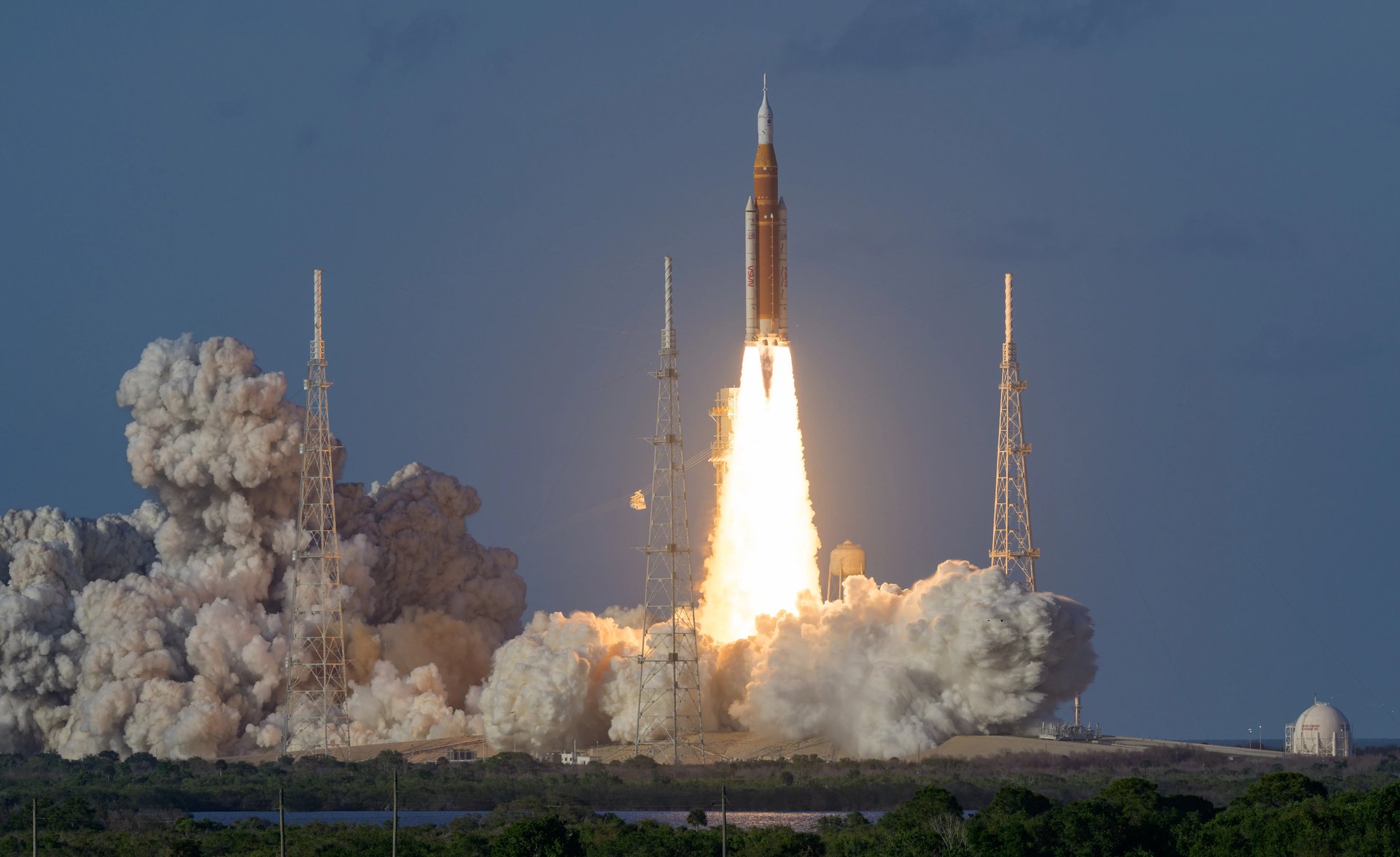
That single sentence reframes everything. Those blurry dots, captured by the Robert C. Byrd Green Bank Telescope in West Virginia, were four human beings, the crew of NASA's Artemis II mission orbiting the Moon over 343,000 kilometres from Earth. The telescope tracking them wasn't just watching, it was doing so with almost inconceivable precision.
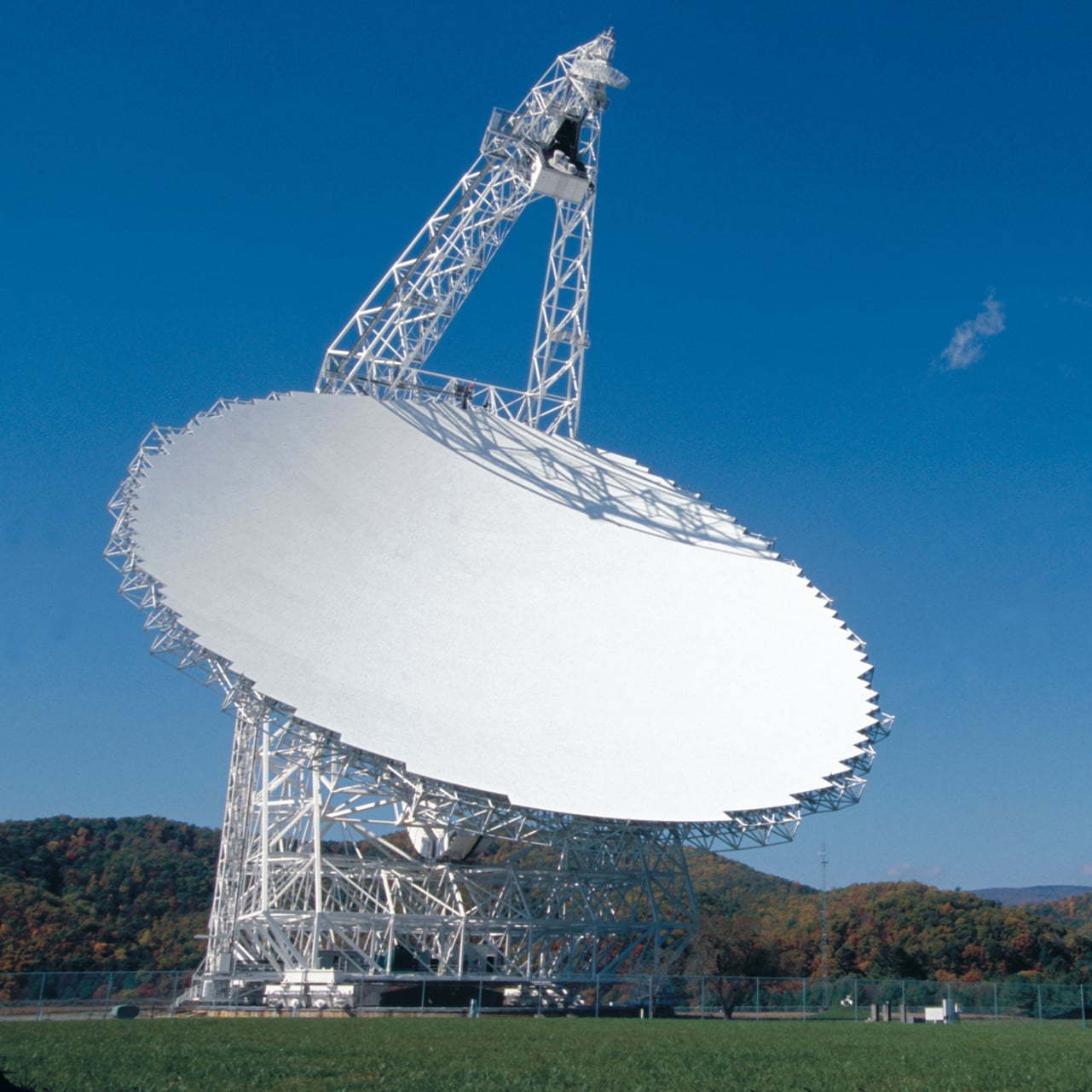
The Green Bank Telescope (GBT) is the largest fully steerable radio telescope on the planet. Its dish spans 100 metres, big enough to swallow a football pitch and it sits in a natural bowl in the Allegheny Mountains, deliberately shielded from the noise of modern technology. No mobile phones. No WiFi. Just the quiet hum of the universe, there’s something almost poetic about that.
During Artemis II, the GBT conducted five separate observations, each lasting six hours, tracking the Orion spacecraft at the moments it was furthest from Earth and deepest into its lunar trajectory. The data it gathered was extraordinary. Scientists were able to measure the spacecraft's speed to within 0.2 millimetres per second of NASA's own calculations.
To put that into perspective; imagine a car speedometer accurate to within 0.0004 decimal places per hour. That's the number Anthony Remijan, site director of the Green Bank Observatory, reached for when he tried to describe what the telescope had achieved. It's a level of precision that strains the imagination.
This wasn't just a technical exercise thought, the GBT was working alongside NASA's Space Communications and Navigation programme, demonstrating that ground based radio telescopes can play a vital support role in crewed lunar missions. In a world where space agencies and commercial operators are planning an ever busier schedule of Moon missions, having an independent, ultra precise tracking capability on the ground could prove critical.
Green Bank has form here since the same telescope provided radar support during NASA's DART mission, which deliberately slammed a spacecraft into an asteroid to test planetary defence. Elsewhere in the radio telescope network, the Very Long Baseline Array tracked and supported a commercial lunar lander during its Moon mission. These facilities are quietly building an infrastructure that reaches far beyond pure science. In what feels like a wonderful symmetry, the universe has always used radio waves to carry its secrets across space. It turns out those same waves can carry four human beings home safely too.